





Battling spotty, red, scaly skin around your mouth, nose and eyes? You aren’t alone. Perioral, or periorificial, dermatitis has been on the rise in recent years, yet relatively little is known about this skin concern or what to do. Let’s change that…
What is perioral dermatitis?

Like other forms of dermatitis, it’s an inflammatory skin condition — this time affecting primarily the mouth, though sometimes also the nose and eyes, hence the broader term ‘periorificial’. It’s estimated that approximately 1% of people experience perioral dermatitis. It affects both children and adults, though the majority of cases through our clinic and website are females aged 20–45.
What does perioral dermatitis look like?

While it varies from person to person, perioral dermatitis often appears as red, scaly, itchy, dry skin with small pustules — sometimes pus-filled — which is why it may be misdiagnosed as acne, rosacea or seborrheic dermatitis. On darker skin tones, rashes may appear browner or more pigmented.
“Perioral dermatitis isn’t contagious or life threatening. Its persistent, recurring, sore and visible nature, though, means customers tell us it hugely impacts confidence and causes great emotional distress. Helping them restore skin clarity, health and confidence means everything.” — Dr Mazin
What causes perioral dermatitis?
Complete certainty around the causes remains unknown. However, studies have highlighted several common links:
- Use — and withdrawal — of topical steroids (the number one cause)
- Heavy make-up, face creams, SPFs and multi-step routines
- Products containing petroleum jelly, paraffin or synthetic fragrance
- Hormonal changes
- Stress and poor sleep
- Seasonal extremes: cold, wind, heat, humidity
- Thumb sucking or lip chewing
- Mask wearing (a major spike from 2020 onwards)
- Fluorinated toothpaste
So, what’s the best treatment for perioral dermatitis?

As with all problematic skin concerns, identifying what triggered your perioral dermatitis is the first step. From there, we turn to a simplified, supportive care routine…
1. Stop topical steroids
If you’ve been using topical steroids, it’s important this stops immediately. Relief may appear temporary, but rashes and breakouts inevitably rebound and worsen.
2. Go back to basics with daily skincare
Avoid skincare containing acids, retinoids, abrasive exfoliants, parfum or steroids. Instead, prioritise calm, barrier-strengthening formulas.
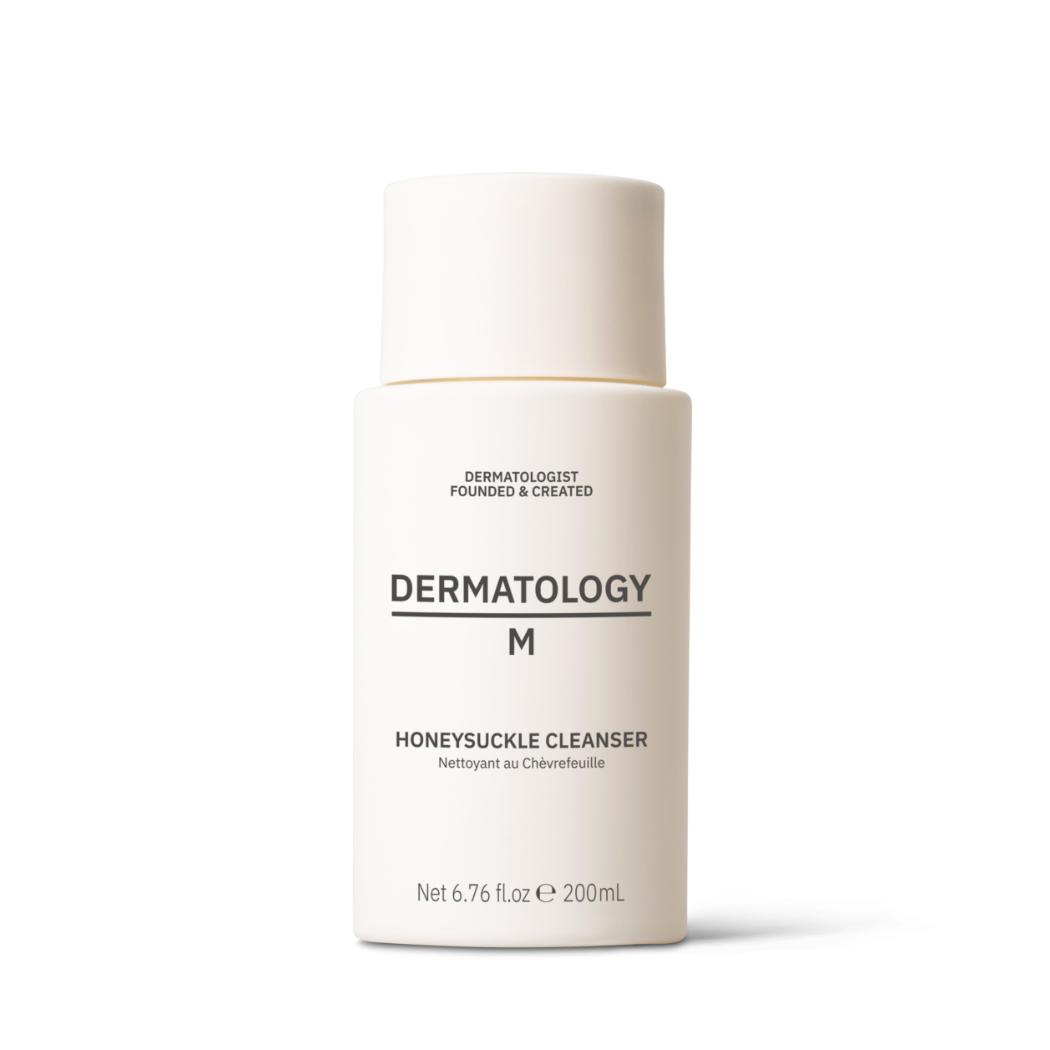
- Cleanse: Use a gentle, soap-free, fragrance-free cleanser with lukewarm water. Honeysuckle Cleanser is ideal — dermatologist-designed and filled with soothing herbs that clean without stripping skin.
- Treat: Apply Soothing Balm 3–5 times a day. This ultra-concentrated herbal formula includes Indigo, Huang Bai and Shea to calm irritation and soften skin.
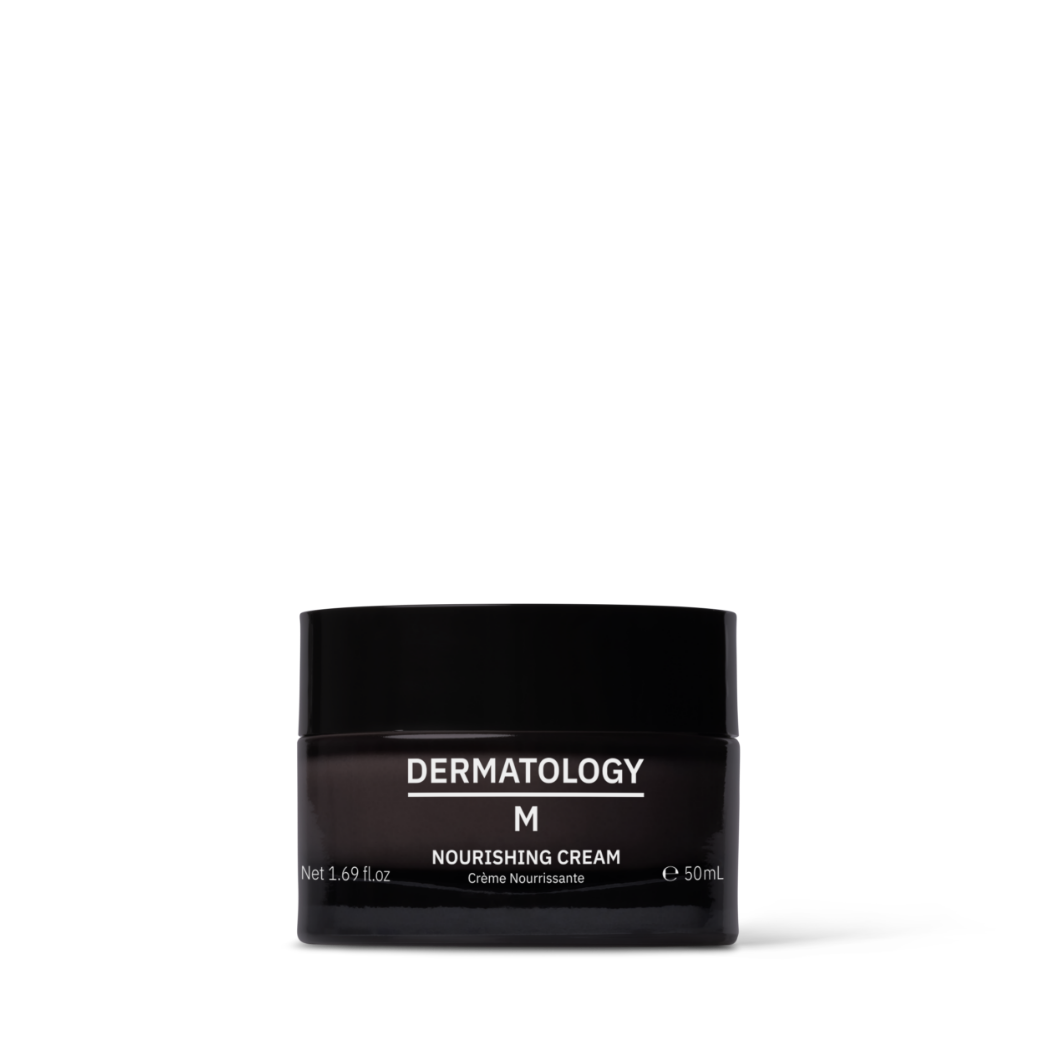
- Moisturise: Follow with Nourishing Cream to lock in moisture and restore comfort.
Save 15% with our Skin Relief Essentials
This set pairs Soothing Balm and Nourishing Cream with a £12 saving.
Customer experiences
“Soothing Balm is amazing. I'm a GP and sometimes get periorificial dermatitis — this is brilliant. A little bit and it's completely calmed down. Thoroughly recommend it.” — Dominic
“A friend gave me this to treat a steroid-induced perioral dermatitis. I noticed an immediate difference overnight and it was completely gone in a matter of days. Miracle product.” — Kelsey
“If you suffer from perioral dermatitis, this is your life saver. I’ve two pots on the go — bathroom and handbag — so if that itch hits, boom, this balm sorts it.” — JI
3. Don’t pick or squeeze
Picking or squeezing pustules will only worsen inflammation and increase the risk of scarring. Avoid touching your face wherever possible.
4. Minimise environmental triggers
Reduce exposure to harsh weather — icy winds, heat, strong UV. If your flare-ups are diet-related, avoid spicy, rich or greasy foods.
How long will it take to clear?
Results are individual and depend on the severity of your concern. Skin cycles last 4–6 weeks, so patience and consistency are crucial. While our topicals calm quickly, sustained daily use across full cycles supports deeper recovery. The number one cause of recurrence is stopping too soon.
If you’re unsure which topical or routine is right for your skin, our customer service team is always happy to help.


